


-
November 13, 2025
-
4 min read
How to choose your veterinary dental machine
Dental services can be one of the most cost-efficient departments of a veterinary practice, and therefore making sure you have long-lasting, cost-effective equipment to hand is a must. In this guide, we run through the key features to look out for when purchasing a dental machine for your practice.
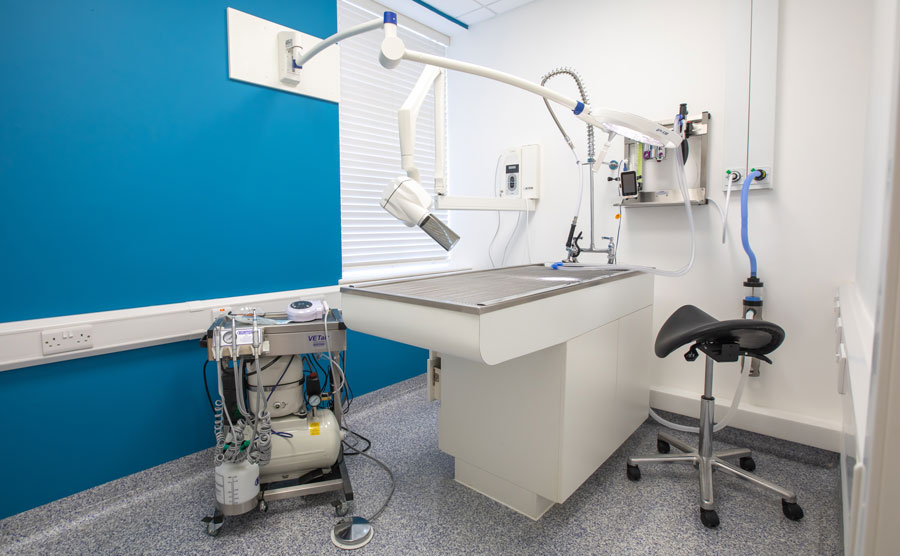
An ideal setup will include:
- A suitable table for patient access and effective drainage,
- An examination light that can be angled towards the patient’s head,
- An anaesthesia machine with space for a patient monitor,
- and finally, a dental station.
If you want to learn more about table options or Anaesthesia for the Dental Patient, see our list of other resources below:
- Build the perfect table for your practice – Buyers Guide
- Anaesthesia for the Dental Patient – Clinical Article
- Managing Anaesthesia Related Hypothermia – Clinical Article
The size of the unit
A compact dental station is a bonus even if you do not have space restrictions to consider in your practice. The fewer obstacles in your way, the better, and this leaves room so that future buying decisions are not impacted by restrictions. This should not mean that you need to compromise on what is included with your machine, it can contain everything required and still be compact. There are also extra features that can make storage of your machine even easier. For example, some units are designed to be stored away under other furniture when not in use.
Easy mobility
In a dental op set-up, it is ideal to have a dental-specific table, your dental station, an anaesthesia machine ready to go, and any dental x-ray equipment required, but the most important part of this is how accessible it all is. Getting your dental station, lighting and even monitoring equipment as close to the patient as possible is key for not only a straightforward procedure but also for the comfort of your practice staff. And this is a lot easier if your dental station is mobile and lockable once it is in position.

Equipment storage & ease of access
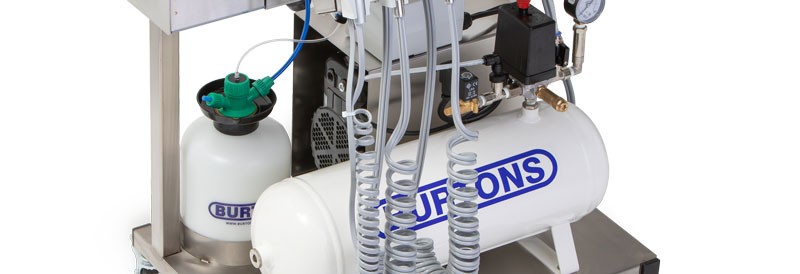
Does the machine itself have storage? This sounds like something that should not be a deciding factor, but you will notice the difference as soon as you start setting up your new station. Easy storage of handpieces, accessories and any related tools means that these are to hand if you suddenly need them during the procedure. It also helps to keep the machine’s surface and your other dental furniture clear, giving you an efficient and clean working space.
Water reservoir
An onboard water reservoir means that everything is at your fingertips once the procedure has begun. A water bottle that runs the scaler, as well as the handpieces, is a bonus as it means only one reservoir to maintain. The size of this water bottle is also important to consider. A reasonably sized reservoir that has a good capacity means no need for water top ups mid procedure, reducing interruptions.
What does the control panel need to include?
These are the tools that you should be looking out for on your dental station:
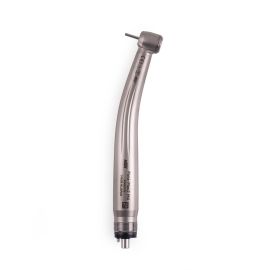
- High-speed handpiece – for drilling of teeth
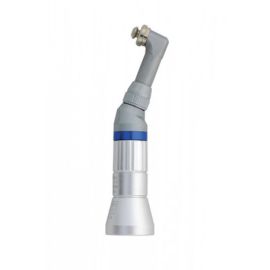
- Low-speed handpiece – used as a polisher to smooth small defects in the tooth, caused during scaling
- Air/water syringe – used to flush away bits of debris as you are working and for drying a tooth prior to inspection. Also helps to cool tools
Any other extra features?
- Foot pedals – sometimes a foot pedal is an option, allowing hands to work uninterrupted. These normally switch the machine on and off
- Robust, lockable wheels – If the machine is mobile, does it move easily? Can the wheels be locked into position for stability during a procedure?
- Scalers – Some machines come with scalers included, on others they are an additional extra. Either way, they are a necessity, and ideally, your new machine will have a place for this scaler to sit. If this scaler can also use the dental machines on-board water supply, this saves maintenance of an extra water reservoir
- What’s Included? – Do the handpieces you require come included with the machine? Having the complete set-up turn up together means you can plug in the machine and start procedures straight away
Warranty and after-care support
Ensuring the machine has after-sales support is one of the most important deciding factors.
- Can consumable pieces, like O rings, water reservoirs and instruments be easily re-ordered and replaced when needed?
- Does the machine need any extra maintenance other than standard? For example, if it is oil-run, it will need to have oil changes.
- Does the manufacturer offer a service plan for yearly maintenance checks?
- Is there any warranty offered on the machine and its accessories?
Maintenance top tips
All machines, no matter the type should have general daily maintenance conducted to preserve the life of the equipment and make for safer procedures.
- Water reservoirs should be de-pressurised when not in use, ideally filled with filtered water and flushed out regularly
- Handpieces need to be cold cleaned, vacuum autoclaved and oiled after every use
- If storing your handpieces upright in the machine holders, ideally place a blank bur in the high-speed handpiece, this stops any dust and dirt from falling into the hole, and it also reduces the chance of the handpiece being turned on with no insert, which can lead to damage
Want to discuss these options?
We know all the options can make choosing your dental machine feel overwhelming. If you need a little help, our experts are here for you on 01622 834300, or complete our online contact form to get started.

Share on Facebook

Share on X

Share on Pinterest

Share on LinkedIn
Related Products

Burtons VETair Classic Mobile Dental Unit With Starter Kit & Scaler
Regular Price
£4,212.00
Now
Discounted Price
£4,254.00
£3,545.00
NSK High Speed Handpiece
£421.58
£351.32
Contra Angle Prophylaxis Handpiece
Regular Price
£112.74
Now
Discounted Price
£128.52
£107.10
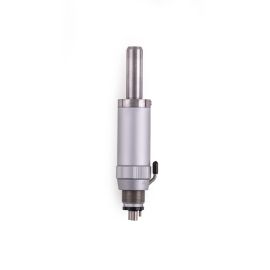
Slow Speed Dental Airmotor
Regular Price
£288.61
Now
Discounted Price
£329.02
£274.18
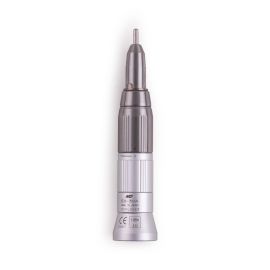
Straight Handpiece
£211.74
£176.45

Popular Posts


